
Saving money doesn’t have to be complicated or require drastic lifestyle changes. With a few smart strategies and consistent habits, you can build your savings account steadily each month. Whether you’re saving for an emergency fund, a vacation, or long-term financial goals, these ten practical tips will help you keep more money in your pocket.
1. Create and Stick to a Budget
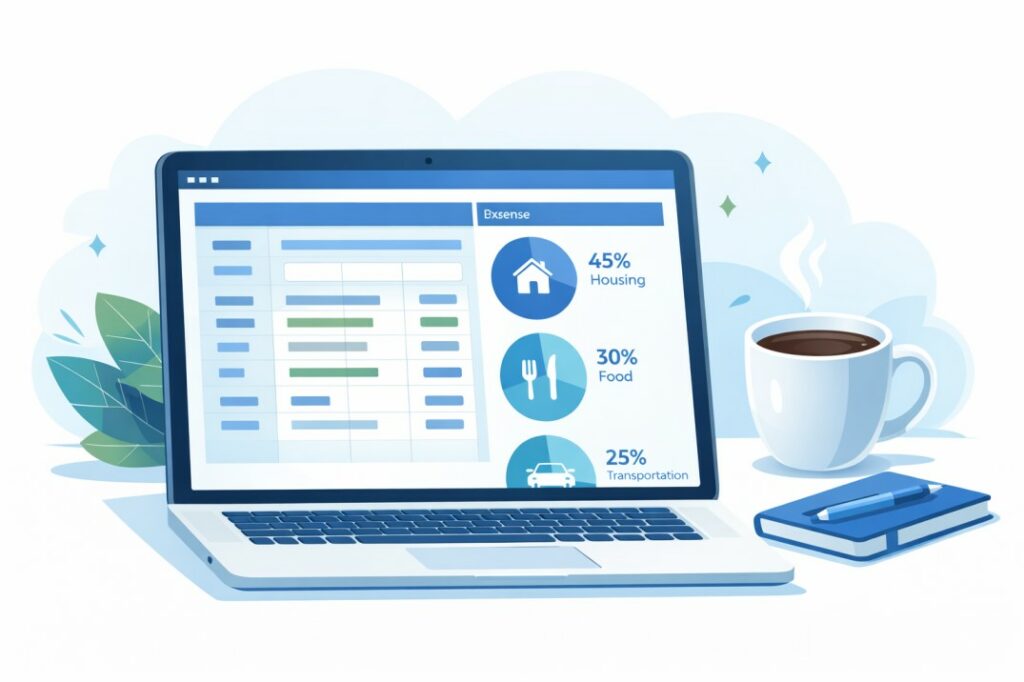
The foundation of any savings plan is knowing where your money goes. Track your income and expenses for a month to understand your spending patterns.
Action Steps:
- Use budgeting apps like Mint, YNAB, or a simple spreadsheet
- Categorize expenses: housing, food, transportation, entertainment
- Set realistic spending limits for each category
- Review and adjust monthly
A well-planned budget helps you identify areas where you’re overspending and redirect that money toward savings.
2. Automate Your Savings
One of the easiest ways to save is to remove the decision-making process entirely. Set up automatic transfers from your checking account to your savings account right after payday.
Benefits of automation:
- You save before you have a chance to spend
- Builds savings effortlessly
- Creates a “pay yourself first” mentality
- Removes temptation
Even small amounts add up. Start with $50 or $100 per paycheck and increase as you’re able.
3. Cut Unnecessary Subscriptions
Most people are paying for subscriptions they barely use. Streaming services, gym memberships, apps, and magazines can drain $200-500+ from your budget monthly.
How to audit your subscriptions:
- Review your bank and credit card statements
- List all recurring charges
- Cancel anything you haven’t used in 30 days
- Consider rotating streaming services instead of keeping them all year-round
Keep only what you actively use and truly enjoy.
4. Cook at Home More Often
Dining out and ordering takeout is one of the biggest budget drainers. The average American spends over $3,000 annually on restaurant meals.
Money-saving cooking tips:
- Meal plan for the week
- Buy groceries in bulk
- Prep meals on weekends
- Pack lunch for work
- Use leftovers creatively
Cooking at home can save you 50-70% compared to eating out, plus it’s usually healthier.

5. Use the 24-Hour Rule for Non-Essential Purchases
Impulse buying sabotages savings goals. Before making any non-essential purchase over $50, wait 24 hours.
Why this works:
- Gives time for the emotional urge to pass
- Allows rational thinking to kick in
- Helps distinguish wants from needs
- Reduces buyer’s remorse
You’ll be surprised how many purchases you decide not to make after sleeping on it.
6. Negotiate Your Bills
Many people don’t realize that bills like cable, internet, insurance, and even medical bills are often negotiable.
Bills you can negotiate:
- Cable and internet services
- Cell phone plans
- Insurance premiums (car, home, life)
- Credit card interest rates
- Medical bills
Call your providers annually and ask for better rates. Mention competitor pricing. Companies would rather give you a discount than lose your business.
7. Reduce Energy Costs
Small changes in energy usage can save $100-300 annually without sacrificing comfort.
Easy energy-saving strategies:
- Use LED bulbs (75% less energy than incandescent)
- Unplug devices when not in use
- Adjust thermostat by 2-3 degrees
- Use ceiling fans instead of AC when possible
- Seal drafts around windows and doors
- Wash clothes in cold water
These small adjustments add up to significant savings over time.
8. Buy Generic Brands
Brand loyalty costs money. Generic or store-brand products are often identical in quality to name brands but cost 20-40% less.
Best items to buy generic:
- Medications (same active ingredients as brand names)
- Pantry staples (flour, sugar, rice, pasta)
- Cleaning supplies
- Basic clothing items
- Paper products
Try switching one or two items per shopping trip. Most people can’t tell the difference.

9. Take Advantage of Cashback and Rewards Programs
Free money is available if you know where to look. Cashback apps and credit card rewards can return 1-5% of your purchases.
Top cashback options:
- Credit cards with cashback rewards (pay off monthly!)
- Rakuten for online shopping
- Ibotta for groceries
- Honey browser extension for automatic coupons
- Store loyalty programs
Important: Only use credit card rewards if you pay your balance in full monthly. Interest charges will negate any rewards earned.
10. Implement a No-Spend Challenge
Try designating one week per month as a “no-spend” week where you only buy absolute necessities.
No-spend week rules:
- Groceries and bills only
- No restaurants, coffee shops, or takeout
- No online shopping
- Use what you already have
- Find free entertainment
This challenge helps reset your spending habits and shows you how much you can actually save when you’re intentional.
Final Thoughts
Saving money is about making consistent, small changes rather than drastic sacrifices. Start by implementing 2-3 of these strategies this month, then gradually add more as they become habits.
Remember, the goal isn’t deprivation—it’s financial freedom. Every dollar you save today is a dollar working toward your future security and goals.
Your challenge: Pick three strategies from this list and commit to them for the next 30 days. Track your savings and watch your account grow!
Disclaimer: This article is for informational purposes only and does not constitute financial advice. Consider consulting with a financial professional for personalized guidance.